Veterinary and pet services: agents for bookings, recalls and client comms
By Agentic Design
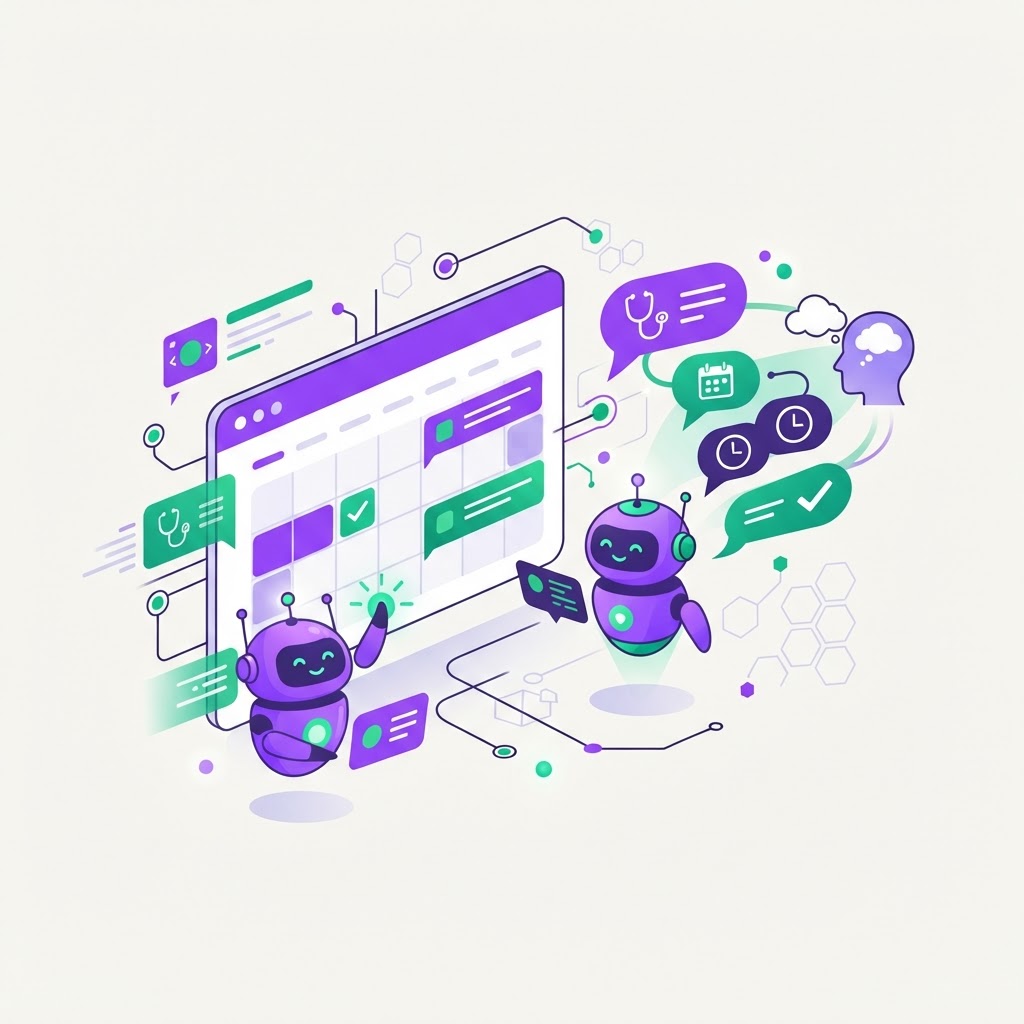
For many Australian veterinary clinics and pet service providers, the administrative burden of running a practice often eclipses the primary goal of animal care. Reception desks are frequently overwhelmed by ringing phones, manual appointment shuffling, and the repetitive task of chasing overdue vaccination reminders. While your existing practice management software (PMS) stores data, it rarely acts on it autonomously. This is where an agentic layer changes the operational landscape for local SMEs.
An agentic AI platform is not a replacement for your current PMS or accounting software. Instead, it serves as a digital layer that sits across your existing tech stack, using APIs to talk to your CRM, inventory, and finance platforms. It functions as an intelligent, autonomous worker that can read your scheduling data, cross-reference it with patient records, and initiate specific business processes without needing a human to click every button. For a clinic, this means moving from static software to a proactive, automated service delivery model.
Automating the booking and recall lifecycle
The most immediate return on investment for pet services lies in the booking flow. Currently, most clinics operate on a reactive basis, waiting for a pet owner to call or use a web form. An agentic AI can handle the inbound booking process across multiple channels, including SMS, email, and web chat. It validates availability in real-time, suggests optimal slots based on practitioner availability, and syncs directly into your calendar without a receptionist spending minutes on hold.
Beyond initial bookings, the real efficiency gain is found in automated vaccination and preventative care recalls. Most clinics lose revenue simply because reminders go unread or clients forget to book. An agentic platform identifies which pets are due for boosters by querying your database, then initiates a personalised, multi-touch campaign to reach the client. It doesn't just send a generic blast; it follows up, adjusts the tone based on client history, and provides a direct link to book the appointment immediately.
- Automated logic to identify overdue vaccinations per specific patient profile.
- Multi-channel follow-up via SMS or email until an appointment is confirmed.
- Direct API integration that updates your calendar instantly upon booking confirmation.
Managing after-hours triage and client expectations
Veterinary clinics face unique pressures regarding after-hours communication. Clients often panic when their pets show signs of distress, leading to a flood of messages that staff must manage first thing in the morning. An agentic AI layer can act as a professional triage filter. By providing specific, safety-first guidance based on your clinic’s established protocols, the AI can assist clients in determining if an issue requires an emergency visit or if it can wait for a standard consultation.
Critically, this system operates within strict pre-defined boundaries. If the AI detects symptoms that suggest a life-threatening condition, it immediately routes the user to your preferred emergency hospital and notifies your on-call vet. This provides peace of mind for the client and ensures your team isn't bombarded with non-urgent administrative requests during their downtime. It creates a professional barrier that protects your staff’s mental health while maintaining high standards of service.
Streamlining invoicing and accounts receivable
Cash flow is the lifeblood of any SME, yet chasing outstanding invoices is the task most staff members loathe. When a payment remains overdue, it often sits ignored in an accounting system like Xero or MYOB until a monthly reconciliation happens. An agentic platform connects your finance system to your communications layer, triggering a gentle, automated reminder sequence the moment an account goes past its terms.
This system can differentiate between a client who has simply forgotten and one who may need a payment plan or financial hardship support. By automating the "soft" follow-up, you remove the interpersonal friction that often stops reception staff from calling a client about money. If a payment is still not received, the AI can then escalate the situation to a manager for human intervention, ensuring that your team only spends time on complex billing issues rather than routine follow-ups.
- Identification of overdue invoices triggered by daily API polling of finance software.
- Segmented follow-up sequences that adjust the tone based on the length of the overdue period.
- Automated logging of all communication attempts within the client's file for audit purposes.
The reality of agentic deployment
Many SME owners fear that adopting new technology will result in months of downtime and expensive implementation costs. However, because an agentic layer connects to the systems you already use via existing APIs, the integration process is significantly faster than traditional software migrations. We typically deliver and deploy these agentic capabilities in a matter of weeks, focusing on high-impact areas first.
This "layering" approach allows you to scale at your own pace. You might start by automating your vaccination recalls, move to booking flows, and eventually expand into invoice chasing as the system proves its reliability. Because the agentic AI works in the background 24/7, you begin seeing productivity gains immediately upon deployment. It isn't about replacing your team; it is about providing them with a digital assistant that handles the tedious, repetitive data work so they can focus on high-touch animal care.
Where to start
- Audit your most repetitive tasks by tracking how many hours per week staff spend on manual data entry, such as re-typing client info or manually sending recall SMS messages.
- Identify which of your current software platforms have open APIs; most modern cloud-based PMS and accounting tools allow external systems to access their data securely.
- Pilot a single process, such as automated vaccination recalls, to measure the exact increase in appointment conversion rates before rolling out further automation across the practice.