Trade wholesalers and hire businesses: agents for availability, bookings and returns
By Agentic Design
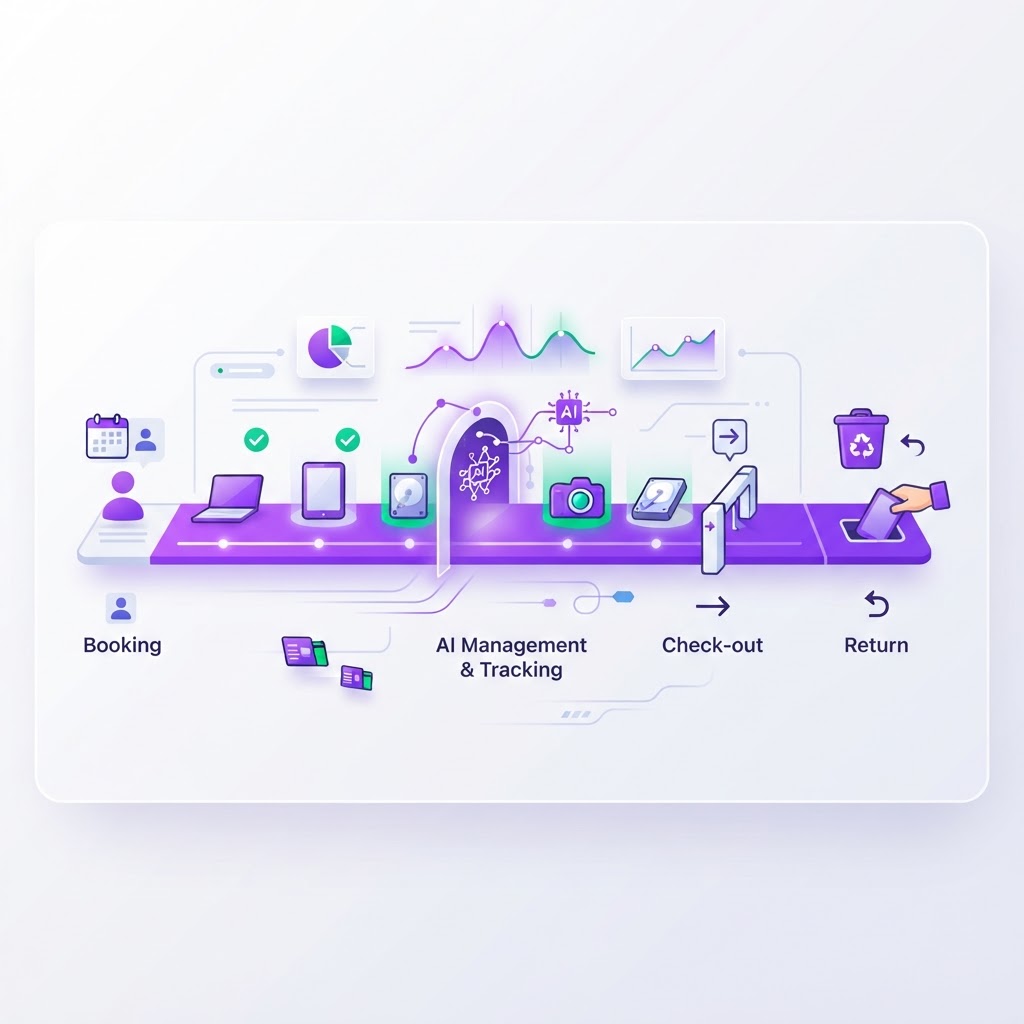
For Australian equipment hire businesses, the gap between having stock in the warehouse and getting it into a customer's hands is often filled with manual friction. Whether you are dealing with scaffolding, earthmoving equipment, or event gear, your staff likely spend hours checking availability across spreadsheets, updating your ERP, and chasing delivery logistics. This friction is not a failure of your current software; it is a failure of communication between your disconnected systems.
An agentic platform serves as a standalone layer that sits above your existing stack. It does not replace your CRM, accounting software, or inventory management system. Instead, it communicates via APIs to pull data from these sources, make decisions based on your business rules, and execute actions on your behalf. For an SME owner, this means your tech stack finally starts working as a cohesive unit, rather than a collection of silos.
Automating the availability and booking cycle
When a customer calls to inquire about a 2-tonne excavator, your team needs to verify current stock, confirm maintenance schedules, and check for existing forward bookings. In most SMEs, this requires toggling between a booking calendar and a physical inventory list, often leading to double-bookings or lost opportunities.
An agentic layer automates this by running a continuous sync across your platforms. It can instantly confirm availability for specific dates, block out the item in your calendar, and trigger an automated invoice draft in your finance software. This happens in seconds without human intervention, ensuring that your inventory utilisation remains at maximum capacity without the risk of administrative error.
Logistics, delivery, and pickup coordination
Transport is often the most expensive component of an equipment hire operation. Coordinating a fleet of delivery trucks involves managing driver availability, site access times, and traffic conditions, all while trying to minimise fuel costs. Current manual processes usually result in sub-optimal routes and late arrivals that frustrate your clients.
Agentic systems solve this by ingesting your upcoming delivery schedule and integrating it with real-time routing APIs. By monitoring the status of equipment returns, the agent can dynamically adjust the pickup schedule to ensure drivers are not travelling with empty trucks. The agent can then automatically notify the customer via SMS when the delivery is thirty minutes away, significantly reducing the 'wait-and-miss' incidents that plague the industry.
- Real-time adjustment of delivery routes based on site access constraints.
- Automated customer notifications for pickup and drop-off windows.
- Automatic syncing of delivery status updates back into the customer CRM.
- Reduction in fuel and vehicle maintenance costs through route optimisation.
Managing damages and the return process
Returns are a notorious bottleneck. When a piece of equipment comes back, it must be inspected for damage, cleaned, and checked against the original hire agreement. If a problem is identified, the process of documenting the damage, capturing photos, and updating the insurance or repair invoice often takes days to reconcile.
An agentic agent can streamline this workflow by guiding your yard staff through a standardised checklist on a tablet. As soon as the inspection is logged, the agent can:
- Flag the item as 'under maintenance' in the inventory system immediately.
- Trigger an automated email to the customer with photos of any damage found.
- Generate a quote for repairs or insurance excess based on your pre-set business rules.
- Re-calculate the rental status to ensure the equipment is back on the 'ready-to-hire' list the moment it is serviced.
Measuring and improving utilisation reporting
Data is only valuable if it is accessible and accurate. Many hire business owners struggle to see a 'source of truth' regarding their Return on Assets (ROA). If your financial data is in Xero, your bookings are in a bespoke web portal, and your inventory is in a spreadsheet, you likely lack a clear view of which assets are actually paying for themselves.
Because the agentic platform resides across these systems, it can aggregate this data into a unified dashboard. You can finally see the true utilisation rate of an asset after accounting for maintenance downtime, cleaning cycles, and transport delays. This allows you to make evidence-based decisions about when to sell off older equipment or when to reinvest in new stock.
Where to start
Implementing an agentic layer does not require a year-long digital transformation project. It is designed for modular integration that produces results in a matter of weeks, not months. Start by identifying the most repetitive, high-volume process that currently causes the most friction in your office or yard.
- Audit your current software ecosystem to ensure your CRM, ERP, and inventory tools provide API access, as this is the foundational requirement for an agentic layer.
- Choose one specific workflow, such as 'booking confirmation' or 'return inspection', to act as a pilot project for the agentic platform.
- Define the precise business rules for that workflow, such as what constitutes 'damage' or how far in advance an equipment delivery must be scheduled, to allow the agent to make autonomous decisions with confidence.