The Orchestration Gap: Why Your Agentic Stack Needs a Central Nervous System
By Agentic Design
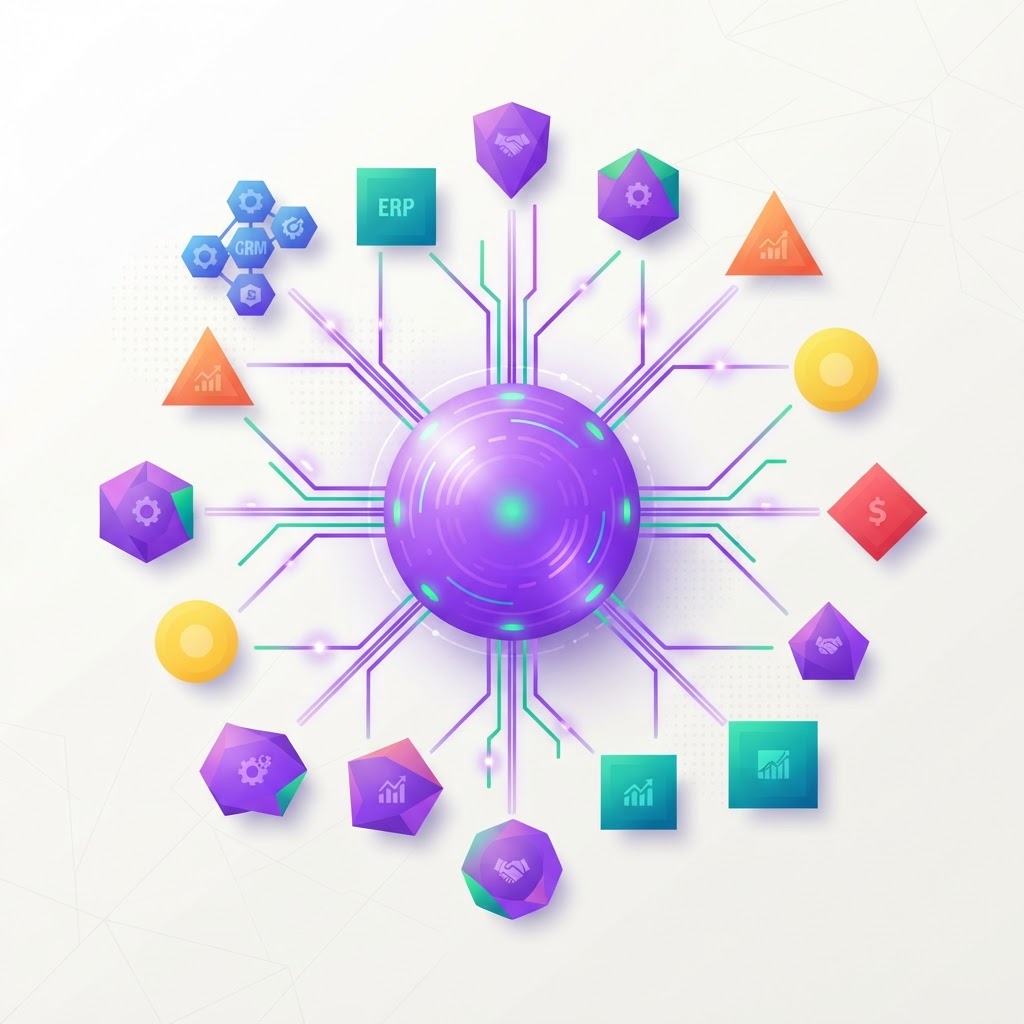
If you have spent the last twelve months experimenting with AI, you have likely moved past the novelty phase. You probably have a handful of independent agents handling your customer support tickets, drafting marketing copy, or processing invoices. While these individual tools are impressive, they are often operating in silos. They are busy, but they aren't necessarily working together.
The hidden cost of isolated agents
When your AI tools operate as standalone units, your team ends up doing the heavy lifting. You find yourself manually copying data from a chatbot and pasting it into your CRM or email platform. This is the orchestration gap. It effectively turns your high-tech AI stack into a manual relay race, negating the very efficiency gains you bought the software for in the first place.
Moving from chaos to coordination
To scale your operations, you need a central nervous system for your agentic stack. This is an orchestration layer—a digital traffic controller that directs information flow between your various AI services. Instead of having an agent work in isolation, an orchestrator ensures that when one agent finishes a task, the next one automatically receives the right context to start its own.
What a connected stack looks like
Imagine a world where your business processes are truly automated from start to finish. When an orchestration layer is in place, you gain several distinct advantages:
- Data flows seamlessly between agents without human intervention.
- You can set guardrails to ensure one agent does not override another's decisions.
- You get a single dashboard to monitor the health and performance of your entire AI workforce.
- Your team can focus on strategy rather than stitching together disparate software inputs.
Keeping it practical
You do not need to rip out your existing infrastructure to fix this gap. Start by mapping your most common workflows. Where does the information pause? Where does a human have to intervene to move data from one tool to another? These bottlenecks are exactly where you should focus your orchestration efforts.
Looking ahead
Building this central nervous system is not just about keeping up with trends; it is about building a resilient business. In the Australian market, where talent is tight and operational costs are rising, those who move from 'collections of agents' to 'integrated agentic ecosystems' will have a clear competitive edge. By focusing on how your agents communicate, you move from just using AI tools to building an AI-powered organisation.
Start simple
You don't need a massive re-platforming project to get started. Look at your two most frequent cross-platform tasks and find an orchestration tool that can bridge those two services. Once you see the time saved by that single link, the case for building out the rest of your nervous system will become clear. Keep it simple, focus on the workflow, and let the agents handle the rest.