The 'Orchestration Gap': Why Your Agentic Stack Needs a Central Nervous System
By Agentic Design
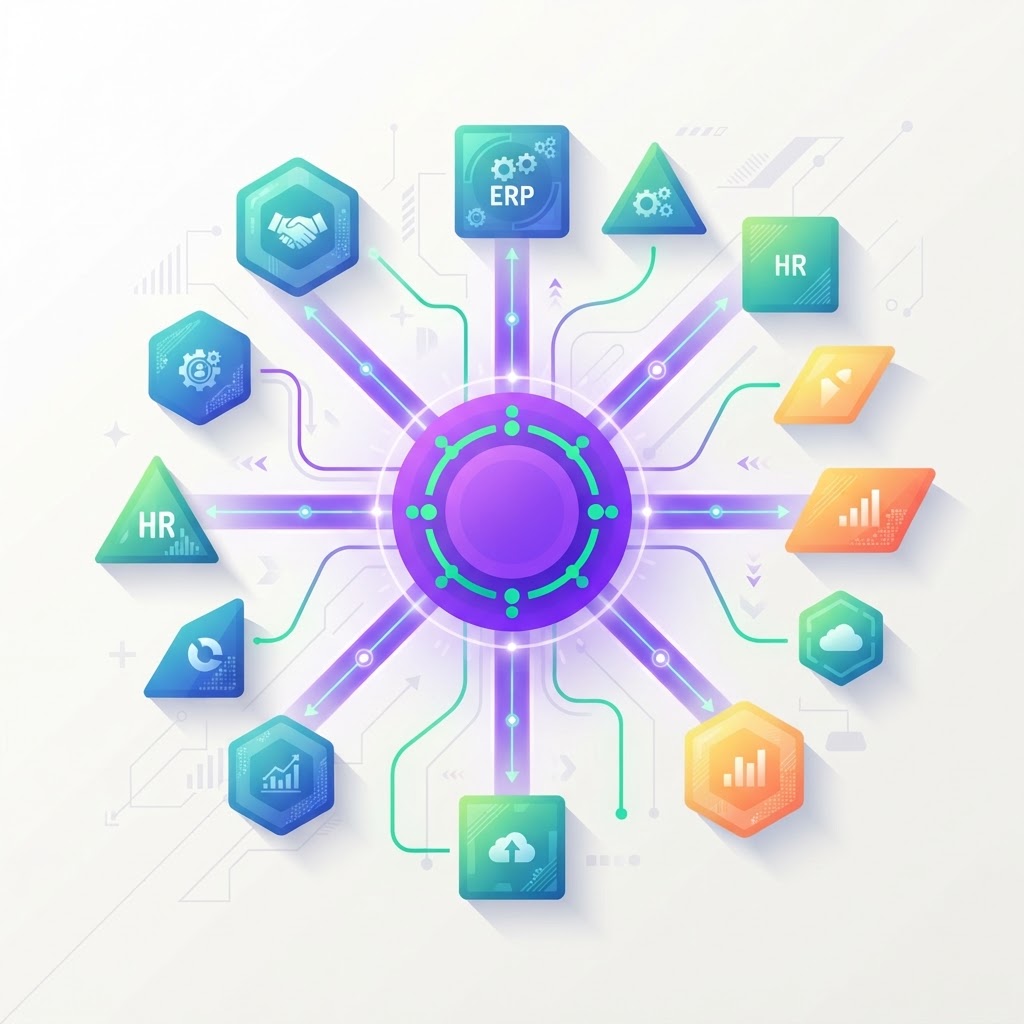
You have probably already experimented with a few AI agents to handle customer enquiries or draft marketing copy. It feels like magic until you realise those agents are working in silos, disconnected from your core operations and each other. This is the 'Orchestration Gap', and it is currently the biggest bottleneck for Australian businesses trying to scale their AI adoption.
The invisible wall between your agents
Most companies start by picking up individual AI tools off the shelf. You might have one agent for scheduling, another for data analysis, and a third for drafting emails. The problem arises when these tools cannot talk to one another or access your proprietary business data securely.
Without a central nervous system to manage the flow of information, your team ends up performing 'manual middleware'. You spend your day copying data from one chatbot output to another application. This is not automation; it is just a digital version of manual paperwork.
Why you need an orchestration layer
Think of an orchestration layer as the conductor of an orchestra rather than the musicians themselves. It provides the governance, data integration, and logic that allows your agents to act as a cohesive team. When you centralise this, you shift from having 'AI toys' to having a functional, scalable workforce.
An effective orchestration system should handle three core responsibilities:
- Routing tasks to the agent best suited for the specific job.
- Maintaining long-term memory across different workflows.
- Ensuring all data interactions comply with Australian privacy standards.
Building for resilience, not just speed
It is tempting to rush into deploying the latest flashy model, but true business value comes from reliability. A central orchestration layer allows you to swap out underlying models without breaking your entire infrastructure. If a better, more efficient model hits the market, you can upgrade your system's brain without having to retrain your entire workflow.
This approach also brings much-needed oversight. As a founder or leader, you need to see exactly where your agents are spending their time and whether they are producing the results you expect. Centralisation provides the dashboarding capabilities necessary to maintain control over your automated operations.
Making the shift today
You do not need to pause your progress to build a perfect system from scratch. Start by auditing your current AI usage. Identify where information gets stuck or where your team is acting as a go-between for two different software tools.
Look for platforms that prioritise interoperability and have clear APIs. Focus on connecting your internal data sources first, then layer the agents on top. By closing the orchestration gap now, you are building a flexible foundation that will serve your business for years, rather than just solving today's immediate productivity hurdle.