The 'MCP-Auth' Standard: Why Australian Leaders are Securing Agent Context Protocols After the 79% Compliance Alarm
By Agentic Design
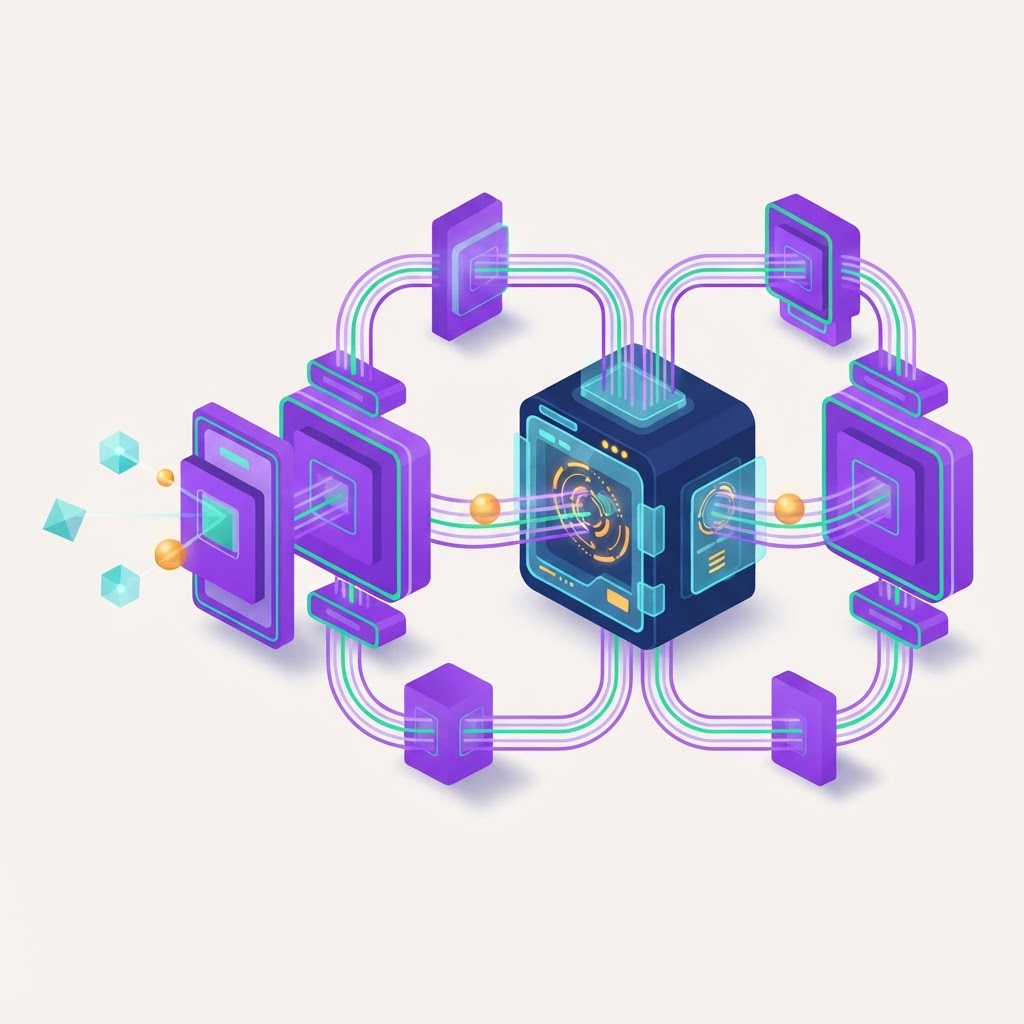
Recent data from industry regulators has sounded an alarm: 79% of local organisations are currently falling short of secure agent integration standards. For Australian founders and business leaders, this isn't just a technical oversight; it is a significant operational risk. As AI agents begin to handle more sensitive data, the need for a unified security framework like MCP-Auth has never been clearer.
Understanding the MCP-Auth Shift
At its core, MCP-Auth provides a consistent way for AI agents to authenticate and verify access across various enterprise platforms. Previously, organisations relied on a patchwork of custom integrations, each creating its own potential leak point. This fragmented approach is exactly what the recent compliance data highlighted as a major vulnerability.
By moving toward a standardised protocol, businesses can ensure that their AI agents only interact with approved data sources. It removes the guesswork from securing automated workflows. For leaders, this means spending less time worrying about shadow AI and more time focusing on genuine business innovation.
Why Compliance Matters Now
Regulatory bodies in Australia are tightening their grip on data sovereignty and privacy. Using non-standardised agent protocols makes it incredibly difficult to track audit trails or prove compliance during a breach investigation. Adopting MCP-Auth is a proactive step that safeguards your reputation.
Beyond legal requirements, there is the matter of internal data integrity. When agents operate with clear, authorised boundaries, the quality of their output improves. You can be confident that your digital workforce is operating within the guardrails you have established.
Practical Steps for Your Team
Implementing a new standard can feel like a heavy lift, but it is surprisingly manageable when broken down. Start by reviewing your existing agent connections to identify where non-standard authentication exists. Here is how you can begin the transition today:
- Audit your current agent-to-database connections to map out existing risks.
- Consult with your technical leads about integrating MCP-Auth as the default gateway for new deployments.
- Establish a quarterly review cycle to ensure all automated agents remain within the compliance framework.
- Prioritise vendors that explicitly support open security protocols to avoid future vendor lock-in.
Building for the Future
As we look ahead, the integration of AI into daily operations will only accelerate. The businesses that will succeed in this landscape are those that treat security as an enabler rather than an obstacle. By adopting the MCP-Auth standard, you are not just ticking a compliance box; you are building a robust infrastructure for long-term growth.
This standard is not about restricting your team’s capability. Instead, it provides the solid foundation necessary for your AI strategy to scale safely. A secure system is a fast system, and by clearing up these compliance bottlenecks, you free up your team to experiment and build with confidence.