The 'Integration Debt' Audit: Why Your Agentic Layer Should Connect, Not Replace, Your Legacy Systems
By Agentic Design
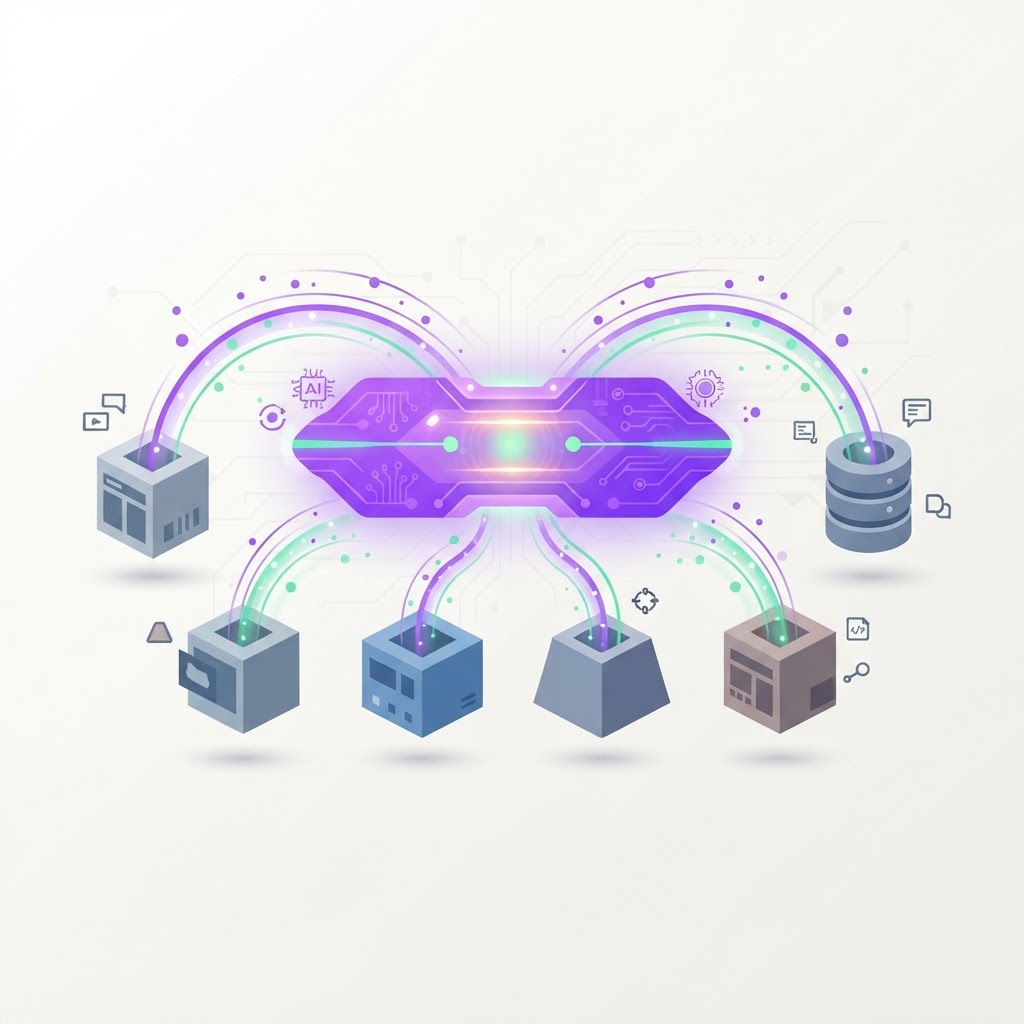
We are currently witnessing a rush to deploy AI agents across Australian businesses. Founders and leaders are keen to automate workflows, hoping to see immediate productivity gains. However, a common trap is ignoring 'integration debt'—the hidden cost of layering modern software on top of ageing, rigid legacy systems. Instead of replacing these pillars of your business, you need an agentic layer that speaks their language.
The reality of legacy systems
Legacy software often gets a bad reputation, but it remains the backbone of your operations for a reason. These systems hold your historical data, your custom business logic, and your compliance records. Trying to rip and replace these systems is rarely a clean break; it is often a multi-year project that disrupts your daily flow.
When you introduce autonomous agents without considering how they talk to your existing tools, you are not creating efficiency. You are creating a siloed mess. Your legacy system holds the truth, and if your AI agents cannot access it cleanly, they end up making assumptions or duplicating data, which increases your risk profile.
What is an integration debt audit?
Before you commit to a new AI platform, you need to conduct an audit of your current tech stack. Think of this as a health check on how your data moves through your business. If your systems are currently disconnected, adding an AI layer will simply accelerate the chaos.
- Identify which systems hold the primary records for your customers and products.
- Map out where data is manually keyed in by your staff.
- Determine the complexity of your current API connections.
- Assess if your legacy system can handle the increased read/write requests from an automated agent.
Connect, don't replace
Your goal should be to build a bridge rather than a wall. A well-designed agentic layer acts as a translator between the modern, intent-driven world of AI and the structured, rule-based world of your legacy database. By wrapping your existing systems in a well-defined API gateway, you allow AI agents to fetch information securely without you having to re-engineer your entire back-end.
This approach is much more practical for Australian SMEs and growing firms. It respects the investment you have already made in your core software while unlocking the potential for automation. You retain the stability of your legacy foundation and gain the agility of an agentic workforce.
Staying in control
Ultimately, autonomy should not mean abandonment. Business leaders must keep a close eye on the 'reasoning' steps of their agents, especially when interacting with critical databases. Ensure that your setup includes logging and manual overrides for when the machine logic hits a roadblock.
By focusing on integration rather than replacement, you minimise technical debt and keep your systems transparent. It is a more measured, sensible way to scale, and one that keeps your operations running smoothly while your competitors get lost in the weeds of expensive, unnecessary overhauls.