The 'Hidden Cost' Audit: Why Your Agentic Stack Needs Consumption-Based Governance
By Agentic Design
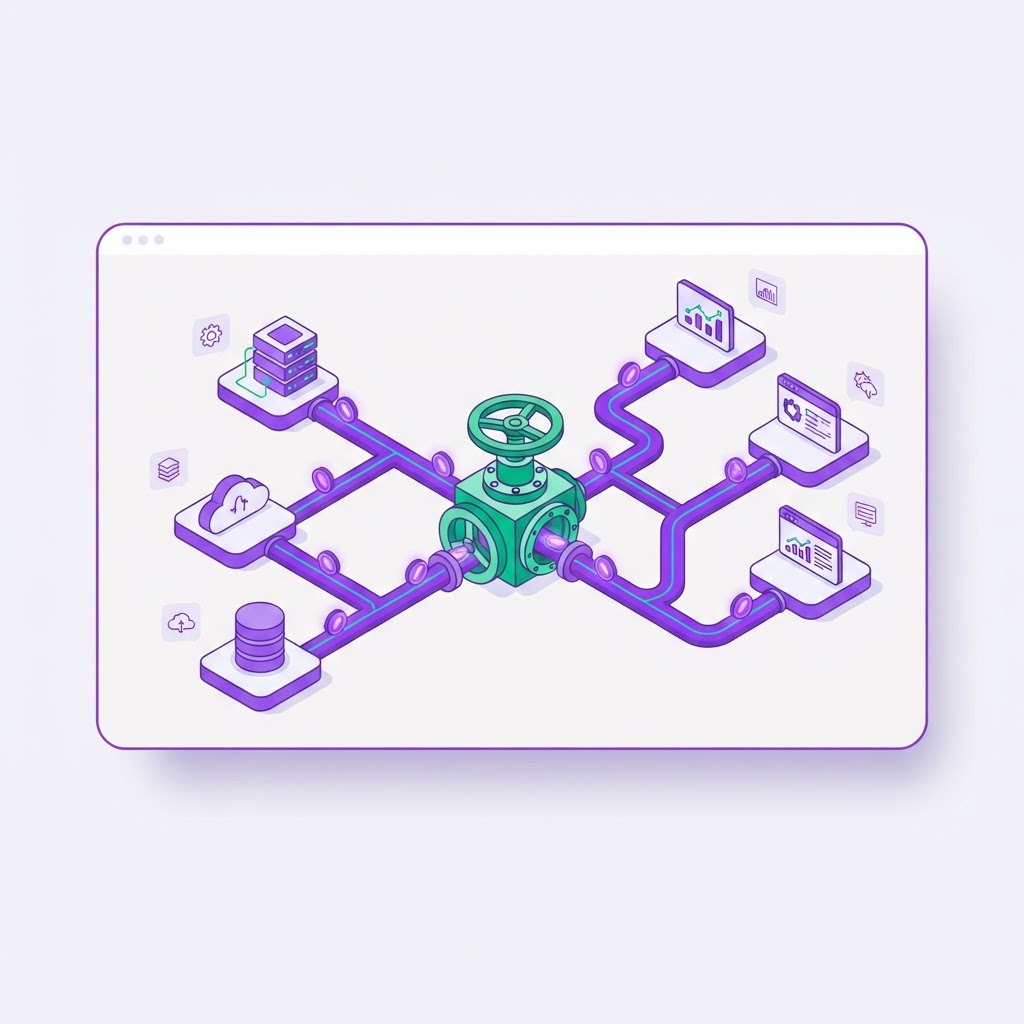
The promise of AI agents is simple: efficiency, scalability, and freed-up time. However, for many Australian founders and business leaders, that promise is currently obscured by a 'hidden cost' spike. While your SaaS bills might look stable, the underlying compute and API consumption powering your agentic stack can fluctuate wildly based on usage, model complexity, and error loops. Without the right oversight, you might be burning through your operational budget faster than your agents are generating value.
The invisible leak in your tech stack
Unlike traditional enterprise software, agentic workflows are dynamic. An agent designed to research a market segment might fire off hundreds of API calls, whereas another might be stuck in a recursive feedback loop, burning tokens at an alarming rate. When these costs are buried in a general 'cloud services' line item, they become invisible until the monthly invoice triggers a surprise. Managing these costs is not just about frugality; it is about ensuring your AI initiatives remain sustainable as you scale.
Moving to consumption-based governance
To keep your margins healthy, you need to transition from passive monitoring to active consumption-based governance. This means treating every agent as a profit-and-loss centre rather than a fixed cost. You need clear visibility into which agents are performing, which are over-consuming, and where your return on investment is actually being realised.
- Implement automated usage caps on non-critical agent workflows to prevent runaway costs.
- Tag every agent instance to specific departments or project codes for granular budget tracking.
- Schedule monthly 'audit sprints' to review the token efficiency of your most active agent models.
- Set up real-time alerts that notify your team when spend crosses a predetermined threshold.
Pragmatism over optimisation
In our rush to adopt the latest LLM models, we often default to the most powerful, expensive versions available. However, not every task requires a top-tier model. A pragmatic approach involves testing whether a smaller, faster, and cheaper model can handle specific sub-tasks within your agentic workflow. Often, you will find that 'good enough' is not only better for your bottom line, but it also reduces latency and improves your overall system speed.
Building a culture of accountability
Governance is ultimately a team effort. Encourage your developers and product owners to view token usage as a performance metric, just like uptime or error rates. By making cost transparency a part of your engineering culture, you empower your team to build leaner, smarter workflows without stifling innovation. Start with a simple audit this week; you might be surprised by how much low-hanging fruit is available to be optimised. By staying on top of your agentic costs today, you ensure that your business remains agile enough to thrive in the long term.