The 'Confirm' UX: Why Your Agentic Stack Needs Human-in-the-Loop Design to Scale
By Agentic Design
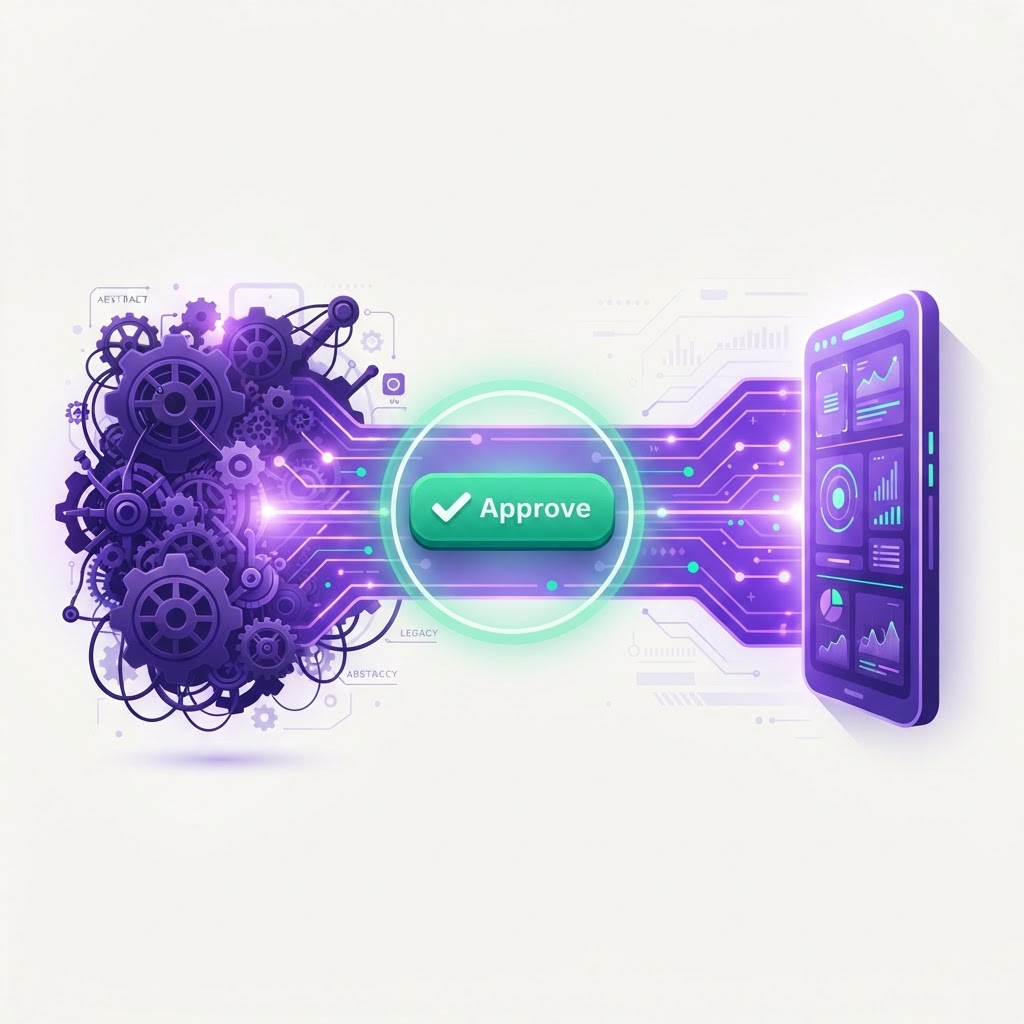
As AI agents move from experimental chatbots to core business infrastructure, the dream of 'set and forget' automation is proving to be a dangerous illusion. While we want our systems to handle complex tasks, removing the human entirely is often the fastest route to a costly error. The most resilient agentic stacks aren't the ones that automate everything; they are the ones that know exactly when to ask for permission.
The cost of unchecked autonomy
When an AI makes a mistake, the fallout is rarely isolated. An automated procurement agent might order the wrong stock, or a customer service bot might offer an unauthorised discount to a high-value client. These errors are not just technical glitches; they are reputational and financial liabilities that can stall your growth.
Building a 'Confirm' UX into your architecture acknowledges a simple truth: AI is brilliant at processing data, but human intuition is vital for context. By inserting a deliberate pause, you turn a potential catastrophe into a routine check-and-balance. This builds internal confidence, allowing your team to deploy agents with higher stakes without the paralysing fear of a runaway process.
Designing for a graceful hand-off
Designing a human-in-the-loop system isn't about creating friction for the sake of it. The goal is to provide enough transparency so that a human supervisor can make an informed decision in seconds. If your agent is preparing a draft contract, your confirm screen should highlight the changes made, the logic applied, and the potential impact of the decision.
Consider these three pillars for an effective 'Confirm' interaction:
- Contextual clarity: Show the 'why' behind the action, not just the 'what'.
- Actionable insights: Provide clear 'Approve' and 'Reject' buttons with an option to edit.
- Audit trails: Log every confirmation so you can review performance and refine your prompts over time.
Scaling trust, not just operations
Many founders worry that manual intervention slows down their 'agentic stack'. However, the opposite is often true. When you force a confirmation step at critical decision points, you gain the confidence to scale the system’s scope. You stop worrying about what the agent might do while you are asleep, because you have established a defined boundary for its authority.
This approach also encourages a culture of shared responsibility. Your staff move from being manual task-doers to being AI supervisors. They learn the nuances of the agent’s logic, which in turn makes them better at spotting opportunities for further optimisation. It is a feedback loop that improves both your technology and your team’s expertise.
Finding the right balance
Not every action requires a human check. You should aim to segment your agentic tasks based on risk level. Low-risk tasks, such as internal data sorting or formatting, can remain fully automated to maintain speed. High-risk actions, such as external communication, financial transactions, or legal commitments, should always require that crucial human 'Confirm'.
Ultimately, the most successful Australian businesses will be those that view AI as a sophisticated colleague rather than a robotic replacement. By designing for human oversight today, you are building the guardrails that will allow your business to scale safely and sustainably tomorrow.