Health and allied services: streamlining bookings, intake and patient comms without disrupting care
By Agentic Design
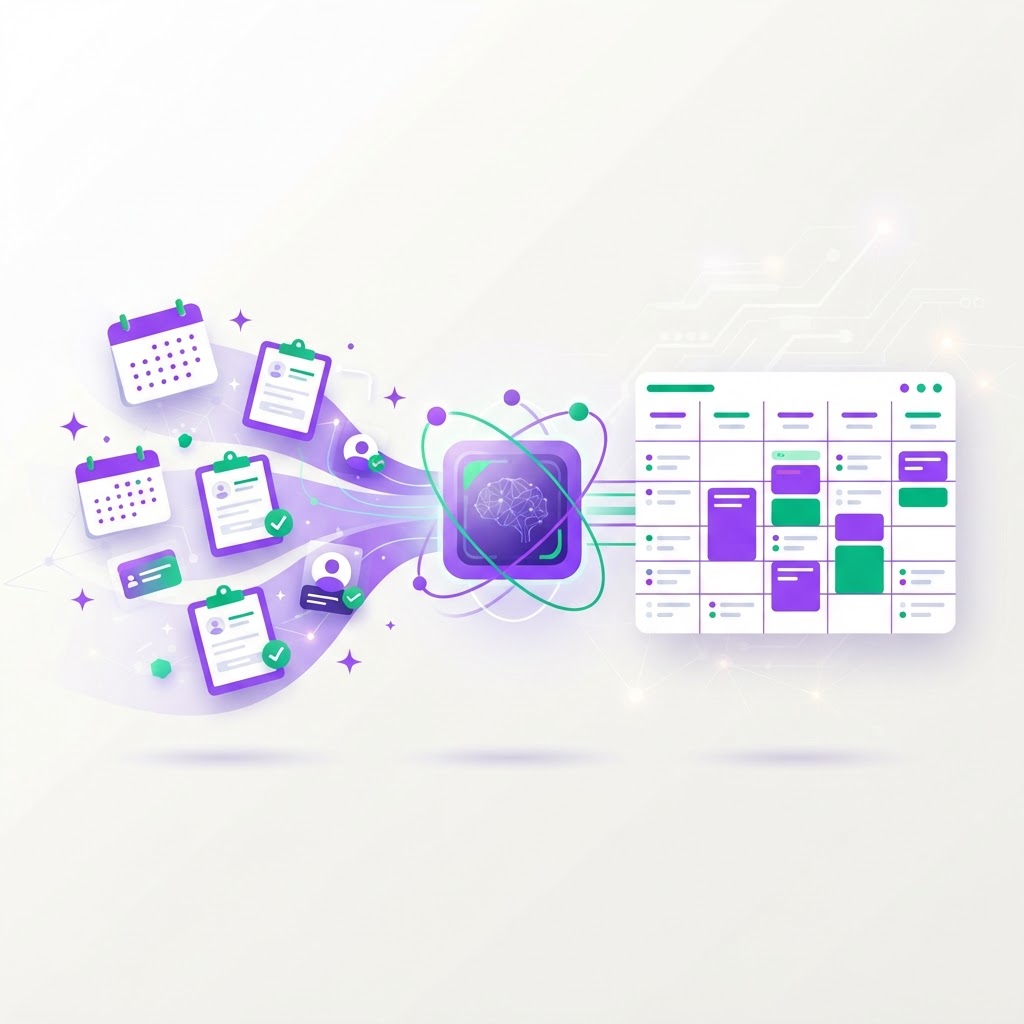
For many Australian allied health practices, the operational load of managing appointments and patient intake has become a ceiling on growth. You are likely juggling a practice management system, an email platform, a calendar app, and perhaps a finance tool that do not communicate effectively. This fragmentation forces your administrative staff to act as manual middleware, wasting valuable hours on repetitive data entry. An agentic platform offers a different approach by sitting above your current software stack as an intelligent, connective layer that automates workflows across those boundaries. By using existing APIs, this layer can manage the logistics of patient engagement without you needing to rip out or replace your established infrastructure.
The agentic shift in clinical logistics
Traditional automation is brittle; it relies on rigid, "if-this-then-that" triggers that often break when a real-world scenario deviates from the script. Agentic platforms are different because they operate with defined objectives and can make autonomous decisions within tightly controlled parameters. For a busy physiotherapy clinic, this means the agent doesn't just send a reminder; it understands the context of the appointment, the patient history, and the clinician's availability. It can interact with your existing CRM to identify a gap in the schedule, draft a personalized email, and update your billing system, all in one seamless process. The key is that the platform works across your existing systems, preserving your data integrity while removing the friction of manual cross-platform coordination.
Booking, intake, and triage automation
One of the most persistent bottlenecks is the patient intake process, which is often riddled with back-and-forth emails and incomplete forms. An agentic layer can monitor your booking system for new appointments and immediately trigger a bespoke intake process. It can verify that clinical forms are completed and, if necessary, follow up with the patient until the file is complete. Critically, these agents can perform preliminary triage based on specific, pre-configured criteria provided by your clinicians. If a patient indicates certain symptoms or risk factors, the agent can alert the administrative lead to review the file before the patient arrives. This keeps your clinicians in the loop while ensuring that preparation work is already done.
- Automated confirmation of attendance with real-time syncing across calendars.
- Dynamic intake form chasing that stops automatically once data is submitted.
- Risk-aware triage alerts that flag high-priority queries to human staff.
- Intelligent scheduling that suggests rebooking slots based on patient recall history.
Reducing no-shows and managing recalls
No-shows are a significant revenue leak for any practice, often representing lost productivity that can never be recovered. Standard reminder services are often ignored, but an agentic system can initiate a conversation rather than a one-way notification. If a patient confirms they cannot attend, the agent can immediately offer a waitlist patient that specific slot or reschedule the appointment to a later date without human intervention. Similarly, for clinical recalls, the agent can parse your patient records to identify those who are overdue for a review. It can reach out with a personalized message that references their specific care plan, increasing the likelihood of conversion while maintaining a professional standard of communication.
Privacy, scope, and clinician oversight
In the Australian healthcare sector, privacy is not just a regulatory obligation under the Privacy Act; it is the foundation of patient trust. Any agentic platform implemented in a medical environment must be built with a "privacy-by-design" philosophy, ensuring that patient health information remains encrypted and siloed where required. The platform operates within strictly defined guardrails, meaning it never makes clinical decisions, nor does it alter diagnostic records. Instead, it serves as an administrative assistant, and every action it takes is logged for audit purposes. Clinician oversight remains paramount; the agent acts as a facilitator that presents structured information to the human, who makes the final call on all sensitive matters.
- Data residency: Ensuring all patient information stays within Australian sovereign cloud servers.
- Scoped access: Limiting agentic permissions to specific fields required for operational tasks.
- Audit trails: Maintaining a granular history of every message sent and change made by the agent.
- Human-in-the-loop: Requiring human verification for any communication that involves sensitive clinical status updates.
Operational impact and integration time
Because an agentic platform integrates via APIs with your current CRM, ERP, and finance systems, the implementation time is measured in weeks rather than months. There is no need for comprehensive staff retraining or data migration projects that disrupt daily patient care. By automating routine administrative tasks—such as chasing intake forms or managing rebooking requests—you can expect a direct reduction in the administrative burden on your front-desk staff. Many practices find that they can reclaim 10 to 15 hours of administrative time per week, allowing staff to focus on the human element of patient care. This creates a more stable, less stressed environment that inherently improves the patient experience.
Where to start
- Audit your current manual tasks: Identify the top three repetitive workflows that currently require data to be copied between your practice management software and another system.
- Map your system endpoints: Contact your current software vendors to confirm that they provide API access, which allows the agentic platform to read and write data safely.
- Define your "Human-in-the-Loop" protocols: Document the exact triggers where an agent must pause its work and wait for human review or approval, ensuring clinical safety remains the priority.