Facilities management: agents that triage maintenance requests and keep SLAs
By Agentic Design
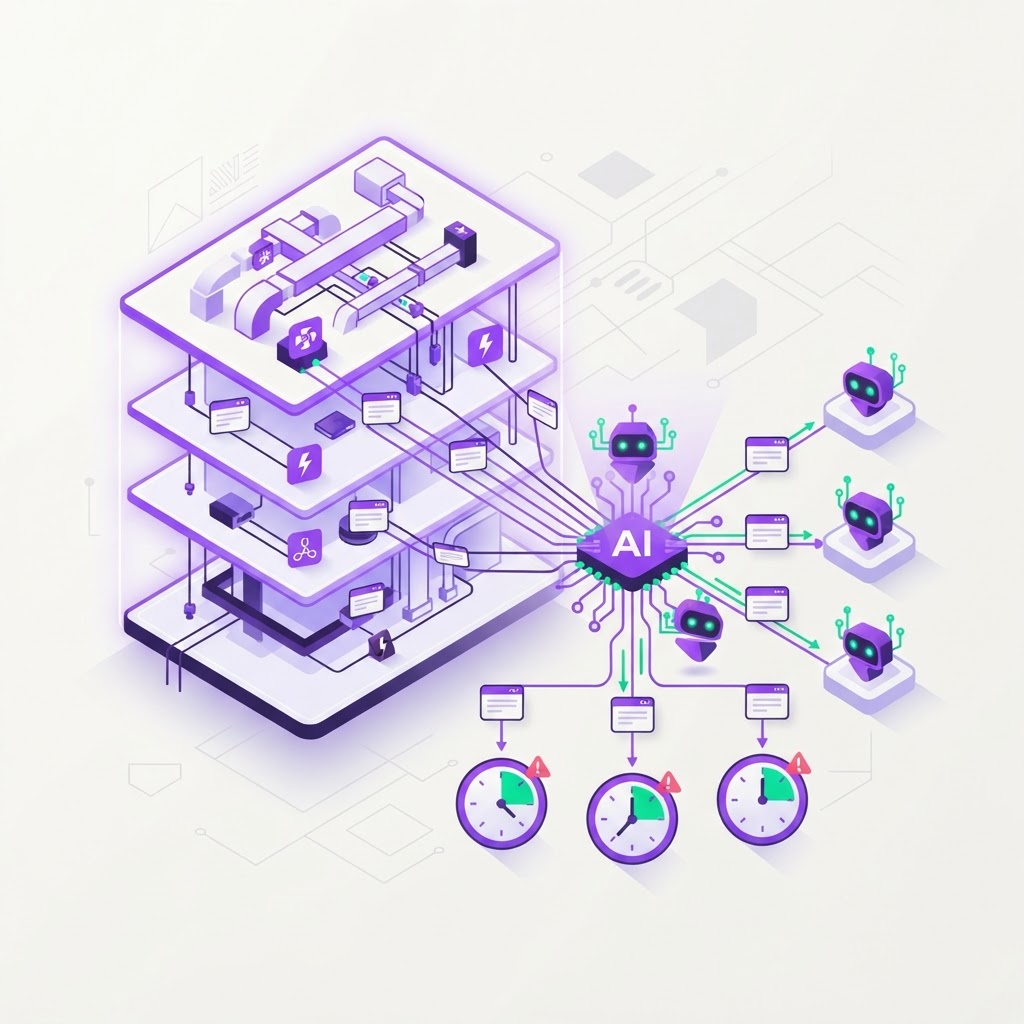
For Australian SME operators, the daily rhythm of facilities management is often defined by a reactive flood of emails, phone calls, and missed deadlines. When an air conditioning unit fails in a retail space or a leasehold property develops a plumbing fault, the process of identifying the issue, finding a contractor, and tracking the fix often falls to managers who are already overstretched. The problem is rarely a lack of software, but rather that the systems you already use—your CRM, accounting tools, and internal spreadsheets—do not talk to each other. This is where agentic AI platforms change the landscape.
The Agentic Layer Concept
Many SMEs fear that upgrading their facilities management requires a massive, expensive migration to an enterprise-grade ERP. This is a misconception. An agentic layer acts as an intelligent intermediary that sits across your existing tools, using APIs to bridge the gaps between disconnected systems. It does not replace your current accounting software or inventory database; instead, it orchestrates them to perform work that previously required manual oversight. By deploying this layer, you can automate the end-to-end lifecycle of a maintenance request in a matter of weeks, not months.
Intelligent Intake and Triage
Maintenance requests usually land in a cluttered shared inbox or a physical notebook. An agentic system can monitor these channels, read the unstructured text, and instantly determine the severity of the issue based on your pre-set criteria. If a tenant reports a water leak, the agent identifies this as a 'P1' priority, immediately logs it in your tracking system, and searches for an available licensed plumber. By triaging requests automatically, you remove the bottleneck of manual data entry and ensure that urgent problems never sit in a queue waiting for someone to finish their coffee.
Streamlining Contractor Dispatch
Once a maintenance task is triaged, the most time-consuming step is often finding a reliable contractor. An agentic platform maintains a directory of your approved service providers, complete with their current insurance status and trade specialisations. The system can send out a request for quote or a work order automatically based on the location and trade required. It tracks whether the contractor has acknowledged the request and, more importantly, follows up if they miss their arrival window. This proactive management prevents the typical 'chasing' cycle that frustrates both the SME owner and the end user.
- Automatic verification of trade licence currency before dispatch.
- Dynamic scheduling based on contractor proximity and historical performance.
- Instant generation of work orders sent directly to external partner systems.
Managing SLAs and Asset History
Service Level Agreements (SLAs) are frequently ignored simply because tracking them manually is too difficult. When an agentic layer manages these tasks, it tracks every interaction against a timestamp. If a task requires a four-hour response time, the system will alert you at the three-hour mark if the contractor hasn't confirmed attendance. Furthermore, the agent maintains a comprehensive asset history for every piece of equipment, from the age of the HVAC unit to the last time the carpets were cleaned. This data is invaluable when it comes time to negotiate lease renewals or plan capital expenditure budgets.
Automated Recurring Maintenance
SMEs often rely on 'run-to-fail' strategies because managing a recurring maintenance schedule is complex. However, regular servicing extends the life of physical assets significantly and prevents costly emergency repairs. An agentic platform can automatically trigger service requests based on calendar dates or usage metrics, such as operational hours or cycle counts. By shifting your maintenance strategy from reactive to preventative, you can realistically expect to reduce your annual facilities repair bill by 15% to 20% by catching small issues before they require a full replacement.
- Automatic creation of recurring maintenance cycles for fire safety inspections.
- Predictive maintenance triggers based on actual equipment throughput.
- Integration with finance platforms to flag budget variances on routine repairs.
Practical Deployment Strategy
Because this approach uses your existing digital infrastructure, the implementation timeline is short. We start by connecting the agentic platform to your core email or ticketing system, allowing it to begin processing incoming requests. Next, we integrate the agent with your contractor management database. Finally, we map the workflows for your most common assets to trigger automated dispatch. This modular approach allows you to see tangible improvements in response times and administrative overhead within the first month of operation. You are not discarding your tools; you are giving them the intelligence required to run themselves, allowing your team to focus on strategic growth rather than putting out fires.