Event and venue businesses: agents for enquiries, run sheets and staffing
By Agentic Design
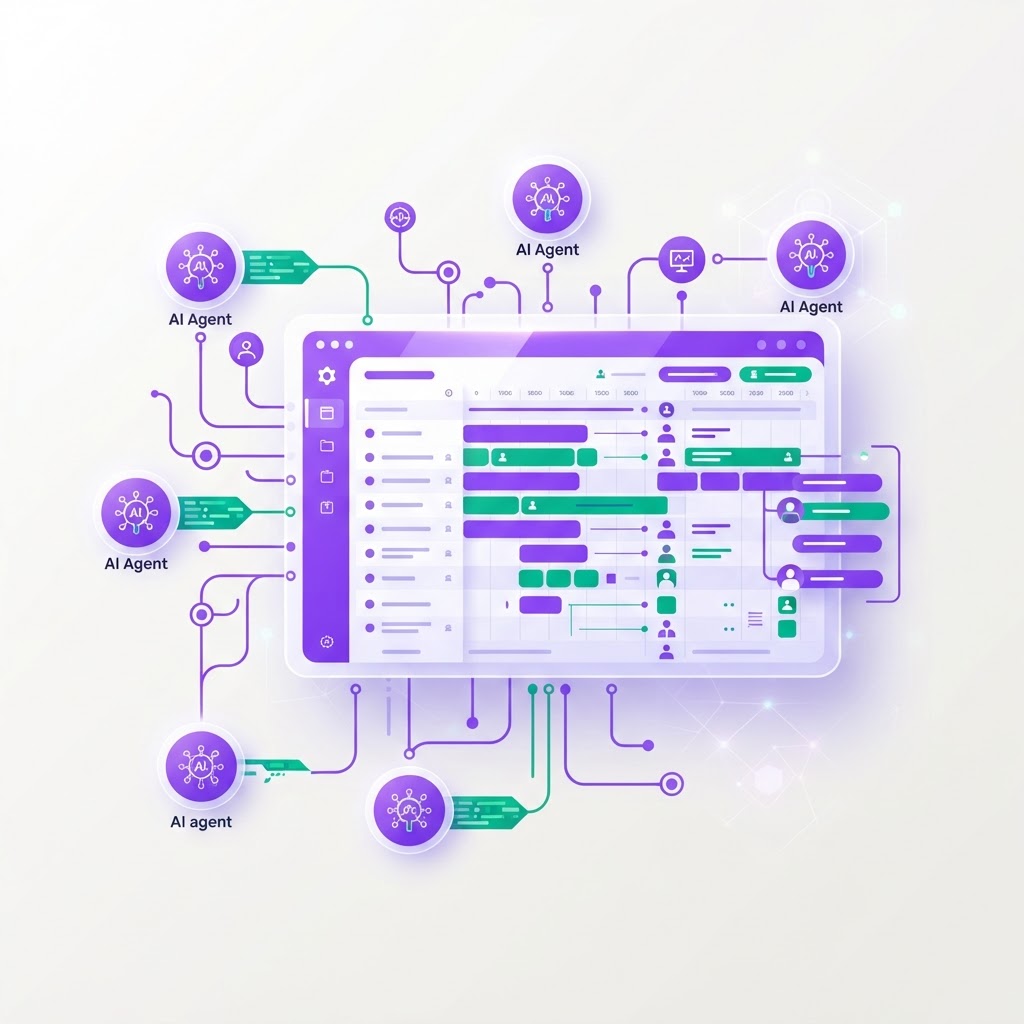
For Australian venue managers and event planners, the daily grind often involves manual data entry, shifting between disparate software, and chasing responses from suppliers or staff. The typical operational stack—a CRM for leads, a spreadsheet for run sheets, and a separate payroll or rostering system—creates friction. Every manual task adds time and increases the risk of error. An agentic platform sits as an intelligent layer above these existing tools, communicating via API to automate the flow of work without forcing you to rip out and replace your current technology stack.
Transforming Enquiry Qualification and Quoting
The lifeblood of a venue is the speed at which you respond to enquiries. When a potential client sends a request, the standard process involves manually checking availability across multiple platforms and calculating quotes based on complex pricing tables. An agentic system can ingest incoming emails, extract key details like guest count, event type, and date, and immediately perform a cross-reference with your inventory or booking database. By the time a human reads the request, the agent has already drafted a preliminary quote and checked if the venue is actually free.
- Automated extraction of event requirements from client emails.
- Real-time availability checks against existing booking calendars.
- Instant generation of customised quotes based on venue margins and historical pricing.
This approach reduces the response time from hours to seconds. Instead of performing data entry, your sales staff can focus on the nuance of high-value client conversations. Because the agentic layer works through your existing CRM, you retain full ownership and visibility of the client record at all times.
Dynamic Run Sheet Generation
Run sheets are the backbone of event logistics, yet they are frequently updated manually as changes occur. If a client decides to move a speech ten minutes later or changes the menu, the run sheet must be updated and redistributed. An agentic agent monitors these changes and automatically propagates them to the master document. If a change impacts staff timings or supplier arrival, the agent alerts the relevant parties immediately.
By linking your run sheet to your inventory system, an agent ensures that every listed item actually exists and is not double-booked. If your inventory shows that you only have 150 chairs available but the run sheet specifies 160, the agent flags this discrepancy before you finalise the plan. This proactive monitoring removes the stress of last-minute logistics failures that often plague busy event teams.
Coordinating Suppliers and Staff
Managing a roster of casual staff and external suppliers is a significant source of administrative overhead. Agentic platforms can handle the communication cycle of rostering: sending out shift invitations, collecting responses, and confirming attendance. If a staff member declines a shift, the agent automatically identifies other available staff with the correct certifications and sends a new invitation.
- Automated distribution of shift requirements to staff databases.
- Real-time tracking of confirmations and capacity gaps.
- Proactive scheduling updates to suppliers based on run sheet changes.
For suppliers, such as catering or A/V teams, the agent ensures that site access instructions and arrival times are communicated clearly based on the final run sheet. This ensures that everyone arrives at the correct time, with the correct equipment, and with the exact specifications for the day. Because the agent manages this via your existing communication channels, staff do not need to learn a new app; they simply receive and confirm updates via their preferred medium.
Closing the Loop with Post-Event Follow-up
The period immediately following an event is often the most overlooked part of the business cycle. Feedback gathering and final invoicing are critical to cash flow and reputation, yet they are often delayed because staff are exhausted from the event itself. An agentic layer can be programmed to trigger a personalised follow-up process exactly 24 hours after the event concludes.
This system can send a feedback survey, request a review, and generate a final invoice based on the actual consumption of items during the event. If the event went over time, the agent can adjust the final invoice based on documented additional hours, ensuring that you are compensated for the extra work. This professionalised closing process ensures you never miss a revenue opportunity and makes you look highly organised in the eyes of your clients.
The Agentic Advantage for Australian SMEs
Many operators worry that moving toward an automated, agentic architecture requires a massive, multi-year IT project. The reality is that an agentic layer is designed to be lightweight and iterative. By utilising existing APIs, you can start by automating one specific pain point, such as enquiry qualification, before expanding to scheduling or reporting. You do not need to replace your ERP or accounting software; you simply provide the agent with the "keys" to talk to them.
Within a few weeks, an SME can have a working system that handles the repetitive tasks that keep managers stuck at their desks. By removing the administrative drag, you are effectively buying back your team's time to focus on growth and guest experience. This is not about removing human oversight, but about giving your human team the tools to manage more events with less effort.
Where to start
- Map out your highest-frequency administrative task: Identify the one repetitive manual process that consumes the most time each week, such as manual quote entry or roster updates.
- Audit your system API access: Verify that your current CRM, accounting, and scheduling software allow for API connectivity, as this is the engine room for any agentic integration.
- Run a pilot program: Partner with a developer to build an agentic layer for that single specific task rather than attempting a full-scale digital transformation at once.