Beyond the 'Contract' Trap: Why Your Agentic Stack Should Manage the Entire Lifecycle, Not Just the Paperwork
By Agentic Design
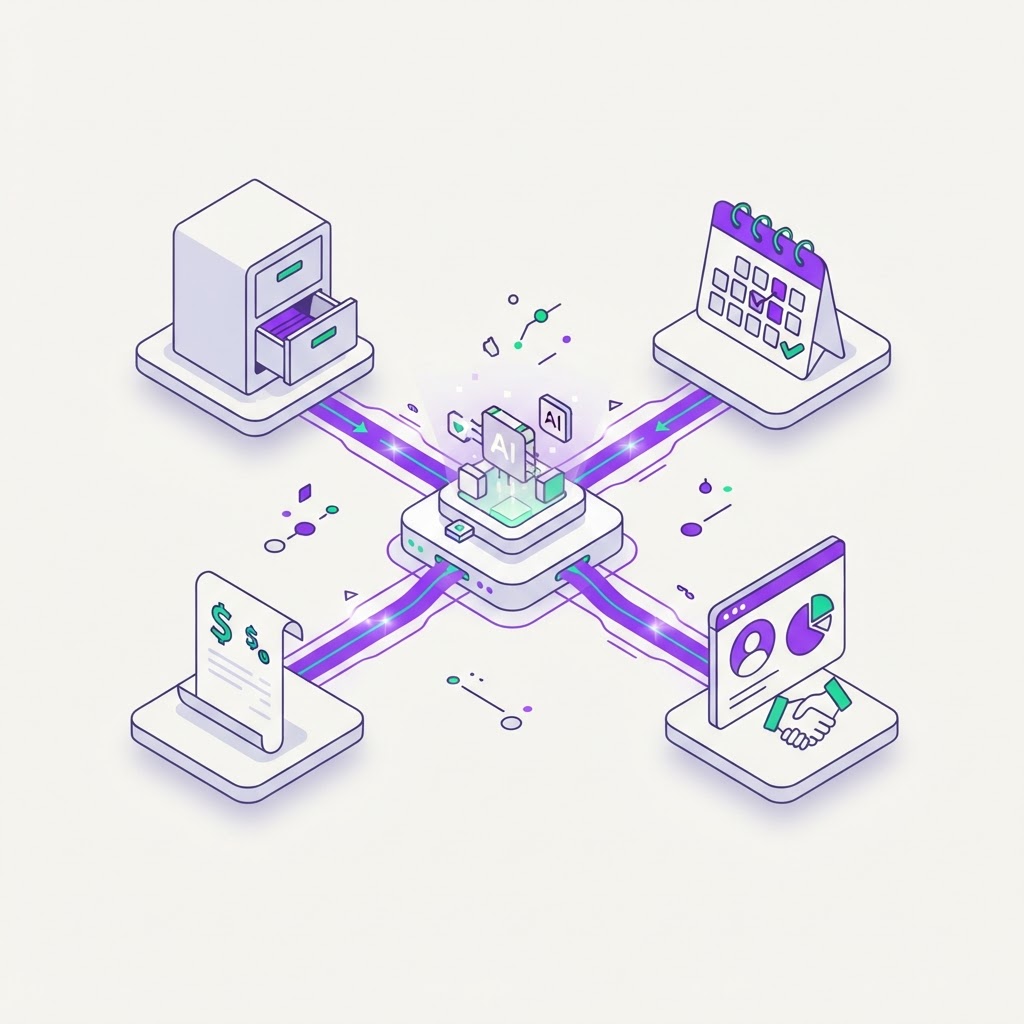
For too long, we have treated the contract as the finish line. In many Australian businesses, legal and operational teams view the signing of a document as the point where automation ends and manual grunt work begins. This is what I call the 'contract trap'. If your current tech stack only handles the creation and storage of paperwork, you are missing the most valuable half of your commercial relationships.
The hidden cost of static agreements
When a contract sits in a folder or a cloud drive gathering digital dust, it becomes a liability rather than an asset. You are likely missing renewal dates, ignoring performance milestones, and leaving potential revenue on the table. Without an agentic approach, your team spends precious hours manually checking dates, hunting for clauses, and manually setting calendar reminders that often fail.
An agentic stack changes this by transforming static agreements into active, living data points. It is not just about having a digital version of a paper trail; it is about having a system that understands the intent and the obligations buried in those pages.
Moving toward a full-lifecycle approach
True agentic workflows monitor the entire ecosystem of your business relationships. Instead of just filing a PDF, these systems actively track the terms that actually matter to your bottom line. By integrating your agreements directly into your operational workflow, you ensure that commitments are met, payments are triggered, and risks are flagged before they become problems.
To build this kind of resilience, consider how your stack should handle the following:
- Automated notifications for critical dates like renewals, price index adjustments, or termination windows.
- Direct integration between contract terms and your project management or invoicing software.
- Real-time visibility into vendor or client performance against the agreed-upon service levels.
- Dynamic document updates that reflect changes in your operational reality without needing to draft from scratch.
Why this matters for Australian leaders
In our current economic climate, efficiency is the only genuine competitive advantage. As a founder, your time is better spent on strategy and growth than on playing detective with your own paperwork. Moving away from a simple 'filing cabinet' mentality allows your team to focus on high-value decision making rather than administration.
This shift also improves your relationships with partners. When you are proactive about deadlines and milestones, you demonstrate reliability and professionalism. You stop being the company that 'forgets' the terms, and start being the partner that is always on the front foot.
Starting your transition
You do not need to overhaul your entire business overnight. Begin by auditing your most critical agreements and mapping out the 'hidden work' your team performs after a deal is signed. Ask yourself what data points are currently trapped inside those documents and how that information could improve your day-to-day operations.
Once you identify those gaps, seek tools that bridge the divide between legal compliance and operational execution. By closing this loop, you turn your contract stack from a cost centre into a strategic engine that supports the longevity of your business.