Beyond the 11%: How Australian SMEs Can Move from AI Experimentation to Operational Agentic Stacks
By Agentic Design
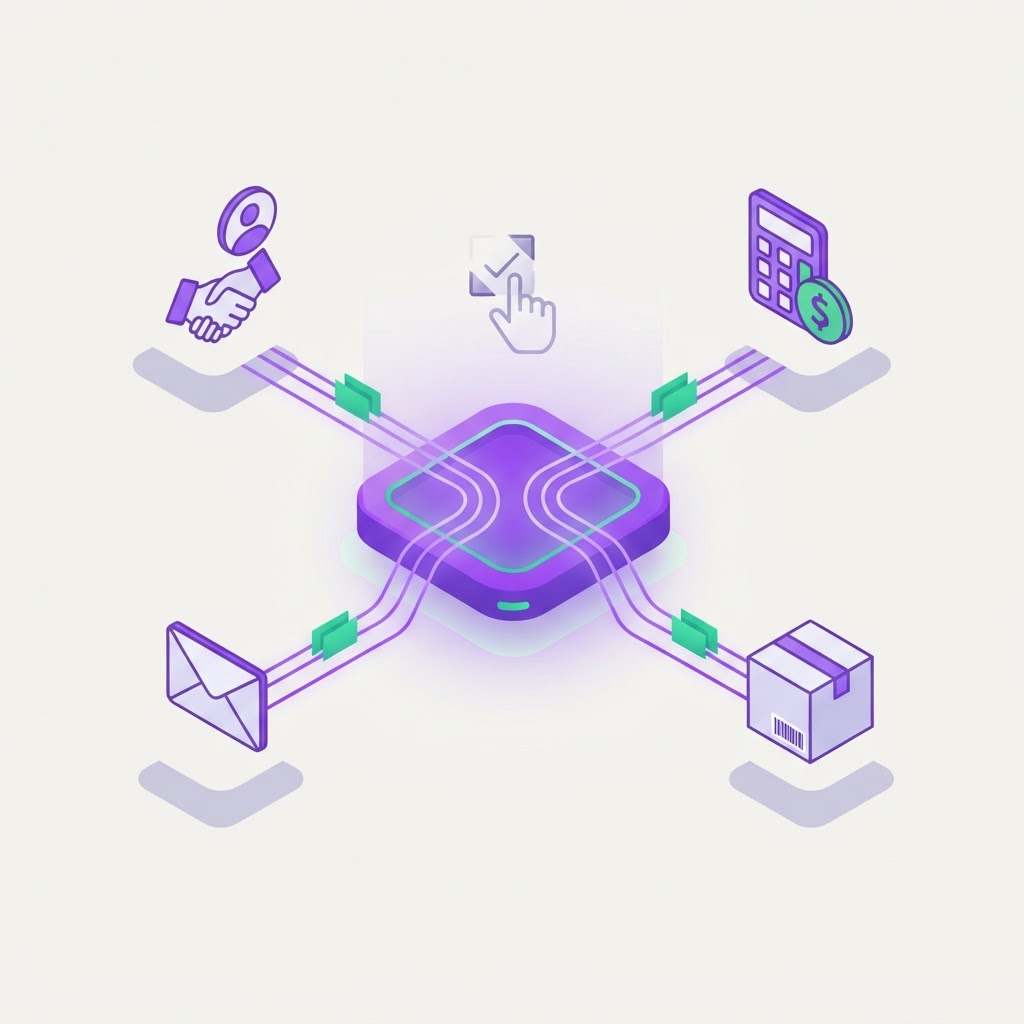
Most Australian business owners have spent the last year experimenting with AI. Perhaps your team has used ChatGPT to draft emails or automate basic data entry. While these initial wins are helpful, they rarely change the bottom line. Research suggests only 11% of local SMEs have successfully moved from these one-off experiments to genuine operational integration. The rest are stuck in what we call the 'pilot trap.' Moving beyond this requires shifting your focus from simple chatbots to agentic stacks—systems where AI doesn't just answer questions, but performs multi-step tasks across your existing business software.
Rethink Your AI Architecture
An agentic stack is fundamentally different from a standalone tool. Instead of asking a model to 'write a report,' you are building a workflow where an AI agent monitors your inbox, extracts invoice data, updates your accounting software, and alerts your accounts team if a payment is overdue. This shift requires you to move from thinking about AI as a search engine to thinking about it as a digital employee. To get there, your AI needs access to your data, a clear set of permissions, and a specific sequence of actions to follow.
Identify High-Value Friction Points
Before you invest in complex infrastructure, look at where your team spends their most tedious hours. You do not need to automate your entire business in one go. Instead, pick a single process that is high-volume, rules-based, and prone to human fatigue. For many Australian SMEs, this often looks like:
- Processing supplier orders and inventory updates.
- Managing customer support tickets and routing them to the right department.
- Reconciling daily sales logs with bank transactions.
- Drafting and sending personalised follow-up sequences after client meetings.
The Three Pillars of Implementation
To build a stack that lasts, focus on these three practical steps. First, ensure your data is clean. AI is only as good as the information it consumes; if your CRM records are messy, your automation will simply scale that messiness. Second, keep a human in the loop for critical approvals. You want your agents to do the heavy lifting, but sensitive decisions should always require a final human click. Finally, adopt a modular approach. Do not try to build a custom behemoth. Use existing integration platforms that allow your AI tools to 'talk' to the apps you already use, like Xero, HubSpot, or Slack.
Start Small but Start Today
Scaling AI is not about finding the 'perfect' platform. It is about building a culture of continuous improvement where small, automated wins compound over time. Stop waiting for the technology to settle, as it will never truly stop evolving. Identify one process this week that slows your team down, map out the steps, and begin connecting the tools you already have. By the time your competitors are finishing their next 'AI brainstorming' session, your operational stack could already be delivering actual value to your bottom line. Building an AI-enabled business is not about replacing your staff; it is about giving them the leverage to do the work that actually matters.